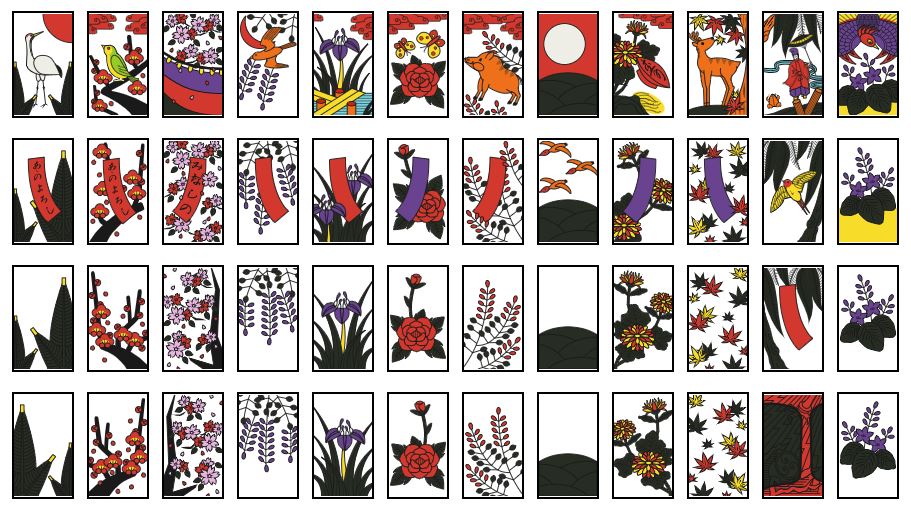
guidesmarty.com – Hanafuda is more than a card game—it’s a window into Japanese history, artistry, and seasonal symbolism. Unlike Western playing cards, Hanafuda cards reflect a visual language steeped in poetry and tradition. Each suit represents a month of the year, illustrated with flowers, plants, and motifs found in Japanese art for centuries. When discussing Hanafuda card game traditions, many Cardanoir Authors describe Hanafuda as both a game and a cultural artifact, preserved through generations and cherished for its beauty and symbolic depth.
The Historical Roots of Hanafuda
Hanafuda emerged during Japan’s Edo period. At that time, gambling bans led to the creation of new card styles that avoided numerical markings. Artisans responded with richly illustrated decks depicting natural elements instead of numbers. These designs evolved into the Hanafuda we know today.
Despite government restrictions, Hanafuda survived through discreet play and cultural adaptation. Over time, the cards became a household staple, used not only for entertainment but also as teaching tools for seasonal awareness and cultural knowledge.
The enduring appeal of Hanafuda lies in its ability to blend artistry with gameplay, creating a unique experience where players interact with the imagery as much as the strategy.
Symbolism Behind the Cards
A Hanafuda deck contains 48 cards divided into 12 suits—each representing a month. These suits highlight important plants and motifs from Japanese aesthetics:
-
January: Pine and crane – longevity
-
March: Cherry blossoms – renewal and beauty
-
July: Bush clover – autumn signals
-
November: Willow and rain – melancholy and transition
Understanding these symbols enriches the experience. Many Hanafuda card game traditions were originally passed down by family elders, who explained the meaning of each card and how they reflected the rhythms of Japanese life. This cultural storytelling continues today in many households and communities.
Hanafuda as a Social Connection
Hanafuda is deeply communal. Whether played casually or competitively, the game is designed to bring people together around the table. In Japan, families often play during holidays like New Year’s, where the imagery on the cards connects players to the passing seasons and cultural folklore.
Games like Koi-Koi and Hachi-Hachi encourage lively interaction, conversation, and shared excitement. This social dimension is part of why Hanafuda feels timeless: it creates moments of togetherness rooted in tradition.
Cardanoir Authors frequently note that Hanafuda is a cultural glue—a game that encourages storytelling, memory-sharing, and passing down customs across generations.
Hanafuda Outside Japan
Thanks to Japanese immigration and cultural influence, Hanafuda spread beyond Japan. In Hawaii, the local version—Sakura—became a beloved family pastime. Korean and Taiwanese interpretations also exist, each adapting the deck’s imagery to regional styles and gameplay preferences.
These adaptations reflect how Hanafuda bridges cultures while retaining its core identity. Wherever the cards travel, they carry the spirit of traditional Japanese design.
Traditional Hanafuda Playing Practices
Understanding the cultural rituals around gameplay deepens appreciation for Hanafuda:
-
Seasonal Awareness: Some families play Hanafuda only during certain months or holidays, honoring the deck’s seasonal symbolism.
-
Respect for the Cards: The cards are often stored carefully, handled with intention, and viewed as artistic items rather than disposable game pieces.
-
Passthrough Learning: Strategies for games like Koi-Koi are often taught informally—through observation, gentle correction, and shared experiences.
These subtle traditions give Hanafuda a ceremonial feel, making each game session more meaningful.
Modern Revival and Digital Reach
Hanafuda is currently experiencing a resurgence, thanks to digital platforms, online communities, and mobile apps. Younger generations are discovering the game through beautifully animated recreations and tutorials that honor the original artwork.
This revival aligns with observations from Cardanoir Authors, who highlight that digital spaces are preserving niche card traditions by making them accessible to global audiences. The combination of tradition and technology ensures that Hanafuda remains vibrant and relevant.
Hanafuda stands at the intersection of art, culture, and strategy. Its illustrations tell stories, its traditions connect generations, and its gameplay fosters deep social bonds. Understanding Hanafuda card game traditions invites players to experience more than a game—it opens a door to seasonal symbolism, Japanese heritage, and beautifully preserved rituals.
As Cardanoir Authors often emphasize:
“To play Hanafuda is to touch a piece of history—one card, one suit, one story at a time.”
Whether you’re exploring Hanafuda for the first time or rediscovering its charm, the beauty of the game lies in its cultural heart.